- Fax- 740-322-6990
- 740-349-6588
- 800-325-2848

‘This is where he feels the most independent’

‘He has come so far’
March 2, 2026
Charlie’s journey
March 3, 2026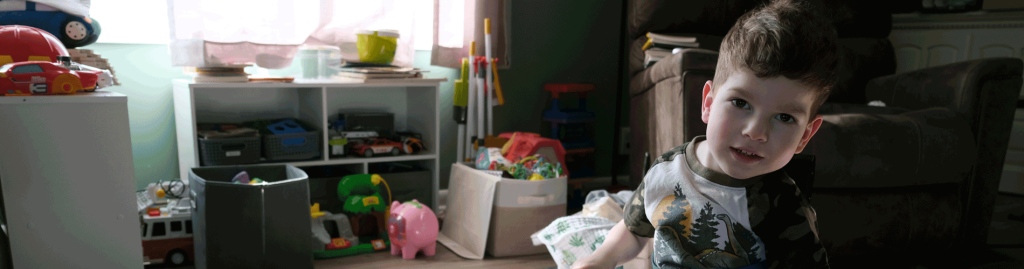
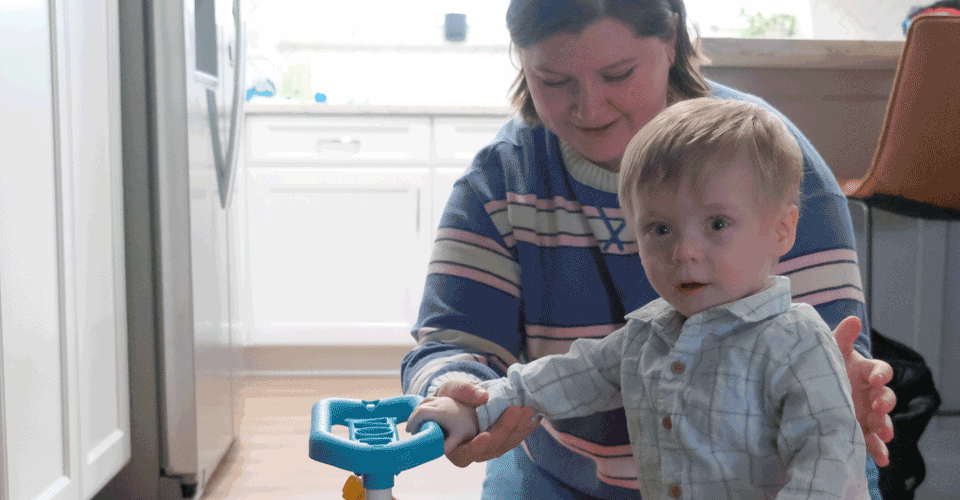
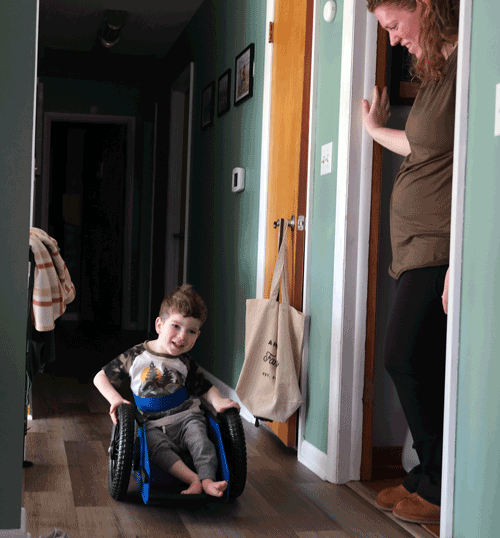
Sitting in a small, blue wheelchair, Jaxon Ahmad loves to chase his baby sister Gemma down the hallway of his Newark home.
The chair — known as a GoBro — is the perfect size for him to reach his toys, play “cooking” in the kitchen or enjoy zooming around the neighborhood with his family.
He’s started preschool, one day a week, and is practicing everything from cutting with scissors to making new friends.
His parents, Shelby and Rashid, love seeing their son gaining strength and embracing his independence. It’s a journey he’s been on since he was 12 days old. 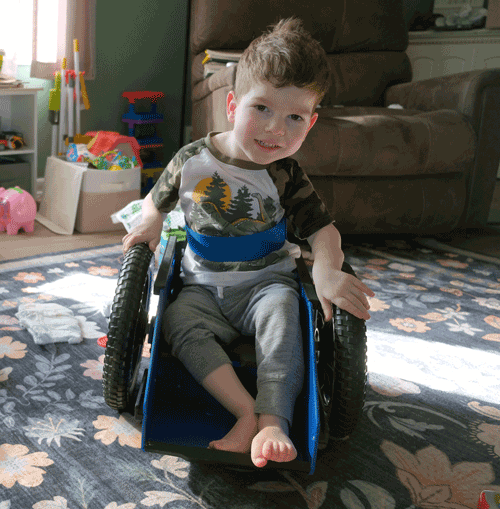
Shortly after they brought Jaxon home from the hospital in September of 2022, blood tests revealed he had Spinal Muscular Atrophy, a neuromuscular disease caused by a genetic mutation. The disease causes muscle wasting and weakness and Jaxon began showing symptoms — loss of mobility in his arms and legs — at four-weeks old.
He was approved for Zolgensma, a one-time gene-replacement therapy, which he received at 7-weeks and regained some movement. Now every four months, he receives an additional drug called Spinraza, administered during a spinal tap.
“His progress has been more than we ever thought possible,” Shelby said. “Our entire family thought he wasn’t going to crawl, and the first time he crawled, it was a huge blessing and a huge surprise.”
When Jaxon was only a few months old, his family moved from Pittsburg to Newark and reached out to the Licking County Board of Developmental Disabilities (LCBDD) to start Early Intervention.
Ohio Early Intervention (EI) is a statewide program for children, birth to age three, with developmental delays or disabilities. Services are provided at no cost to families in their homes, where children learn best.
At that time, Jaxon was extremely weak and his limbs were very floppy, Shelby said. Working with Occupational Therapist Karli Fleak and Physical Therapist Brenna Sabo, his parents learned ways to help him build core strength and eventually sit on his own.
“They gave me the confidence to work with him, and figure out, ‘What can we do at home that feels like play but also is part of his therapy?’” Shelby said. “Then I could also teach my (extended) family how to work with him.”
The Ahmads were able to use LCBDD Family Support Services (FSS) funds to purchase some of the adaptive equipment, braces and shoes that he needed
 The EI team members also provided a listening ear to Shelby as she navigated life as a new mom with a baby in treatment for a complicated diagnosis.
“If I was feeling overwhelmed or scared or nervous, I could talk to (Brenna) and she could break it down with me,” she said. “They helped me feel confident that I could do right by him and that was a game changer.”
As Jaxon grew, he was able to sit for longer periods of time, manage more weight on his hands and knees and get around using standers and gait trainers. His speech also took off, and he can now chat with his mom and dad about monster trucks and his favorite show, “Blaze and the Monster Machines.”
Looking for more ways to increase his mobility, Shelby discovered The Frog Foundation, which sells mobility equipment for toddlers. They were able to use FSS funds to purchase Jaxon’s GoBro in November 2024.
“It’s really nice, he can get around and doesn’t need to be on the floor all the time, this is where he feels the most independent,” Shelby said. “He loves it and I love it.”
When he turned three in September, Jaxon transitioned out of Early Intervention and began receiving support from LCBDD’s Early Childhood team.
Service Coordinator Hallie Gulley helped him start preschool services, once a week, at Little Learners Preschool in Newark. Developmental Specialist Diane Dodson visits once a month, continuing to help him gain skills to get ready for full-time preschool next year.
Their goals include helping Jaxon transition into a chair, improve his fine motor skills and work on potty training.
As she watches her son surpass his goals, Shelby said she’s grateful for the support from LCBDD, which will continue as Jaxon grows.
“When you have a child with a diagnosis, everything is scary,” she said. “They have helped make me more comfortable and confident.”